

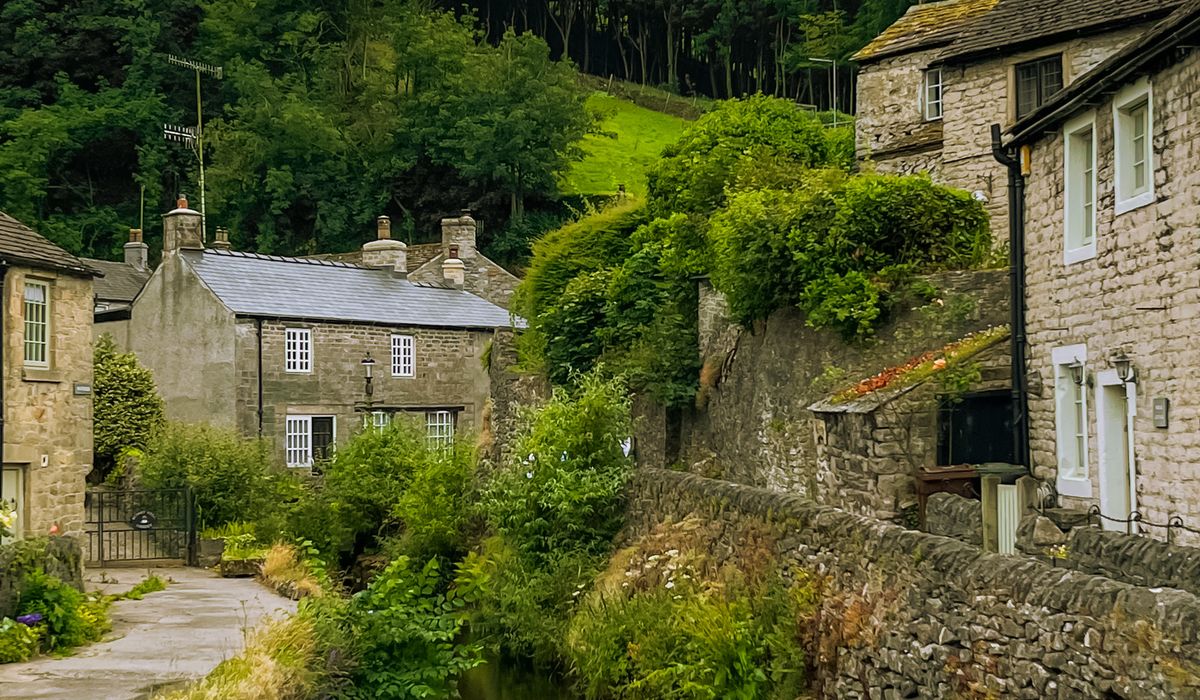
The Photos Only Tell Half the Story
A weekend cottage in the dales can look perfect online — flagged floors, a wood burner glowing, a view of a limestone scar through the bedroom window. What the wide-angle lens rarely shows you is where you will park a normal-sized car, whether the shower runs hot after the third person, or how far you must walk along an unlit lane to reach the nearest footpath. After enough Friday-night arrivals in the rain, you learn to read a listing for the practical details first and the prettiness second. The charm will still be there. It is simply easier to enjoy when the boiler is working and the car is not blocking a farmer's gate.
Parking: The Detail That Makes or Breaks a Weekend
In the dales, "off-road parking" can mean anything from a gravel drive to a grass verge beside a cattle grid. Ask specifically how many cars fit, whether the space is level, and whether it sits on a single-track lane with passing places. A cottage at the end of a steep, uneven track may be idyllic in July and unreachable in a February frost without a four-wheel drive.
- Check whether the parking is private, shared, or simply a lay-by on the verge.
- Ask about the approach: narrow lanes, tight bends, fords, and cattle grids all matter.
- If you drive an electric car, confirm there is a charge point or a socket you may use — and that the owner is happy for you to do so.
- Winter bookings should include a question about gritting and whether the track is cleared.
Arriving in daylight helps, but in deep winter that may not be possible. A clear arrival note — gate codes, which key safe, where to leave muddy boots — saves a great deal of fumbling with a torch.
Heating, Hot Water and the Damp Question
Old stone cottages are wonderful and often chilly. A log burner is a delight, but it will not heat a whole house on a frosty night unless someone is up at six to feed it. Find out what the main heating is: oil-fired central heating, LPG, night storage heaters, or a range cooker that also heats the water. Each has its own rhythm, and some are far more forgiving than others.
- Ask how the hot water is heated and whether there is an immersion heater as a backup.
- Check whether logs and kindling are provided, and whether they are included in the price.
- Listed cottages can be draughty; ask about secondary glazing, thick curtains, and whether there are extra blankets.
- If anyone in your party has asthma or allergies, ask directly about damp and how the property is ventilated.
A cottage that is warm and dry when you arrive, with the heating already on, is worth more than any number of exposed beams. Do not be shy about asking the owner to set it going before you get there.
Walking From the Door
The best rural weekends begin with boots on and no need to drive. Public footpaths are marked on a good walking map, but "footpath from the door" can mean a stile over a wall and a muddy field, or a proper track that stays firm in wet weather. Ask the owner which walks are practical in the season you are visiting, and whether the local pubs are within walking distance — and whether the route back is lit.
- Confirm whether the path is a right of way or a permissive route that may be closed at times.
- Ask about stiles, gates, livestock, and whether dogs must be kept on leads.
- Check the nearest shop and pub: a thirty-minute drive each way changes the shape of a weekend.
Bring wellies and waterproofs whatever the forecast. Dales weather turns quickly, and a dry change of clothes in the car is a small kindness to yourself.
Everyday Practicalities
Kitchens in holiday cottages vary wildly. A tiny galley with two rings and a combi microwave is fine for a weekend if you plan to eat out, less so if you intend to cook a Sunday roast. Water pressure in rural areas can be gentle, especially where a spring or borehole serves the property. Mobile signal and broadband are improving, but valleys still have not-spots, so download maps and music before you arrive.
- Ask what cooking equipment is provided, including oven size, freezer space, and whether there is a cafetière or just a kettle.
- Check bin collections and recycling rules; rural councils often have specific requirements.
- Confirm whether the property is on mains drainage or a septic tank, which affects what you may flush.
Questions to Ask Before You Book
A short, friendly email to the owner will tell you more than an hour of scrolling through photographs. Ask about arrival and departure times, the key collection method, and whether there is a welcome pack or a shop nearby. If you are booking in winter, ask about the state of the lane and whether the cottage is easily reached in snow. If you have young children or older guests, mention it — a steep staircase or an unfenced stream may be a deal-breaker, and it is better to know now.
The right cottage is not the one with the most flattering photos. It is the one where you can park without anxiety, come back to a warm kitchen, and step straight onto a footpath with the dog. Get those details right, and the dales will do the rest.


Coding is used in almost all aspects of life and work now, be it directly or indirectly. It’s not just for companies in the tech sector. “An increasing number of businesses rely on computer code,
Coding is used in almost all aspects of life and work now, be it directly or indirectly. It’s not just for companies in the tech sector. “An increasing number of businesses rely on computer code,
Coding is used in almost all aspects of life and work now, be it directly or indirectly. It’s not just for companies in the tech sector. “An increasing number of businesses rely on computer code,