

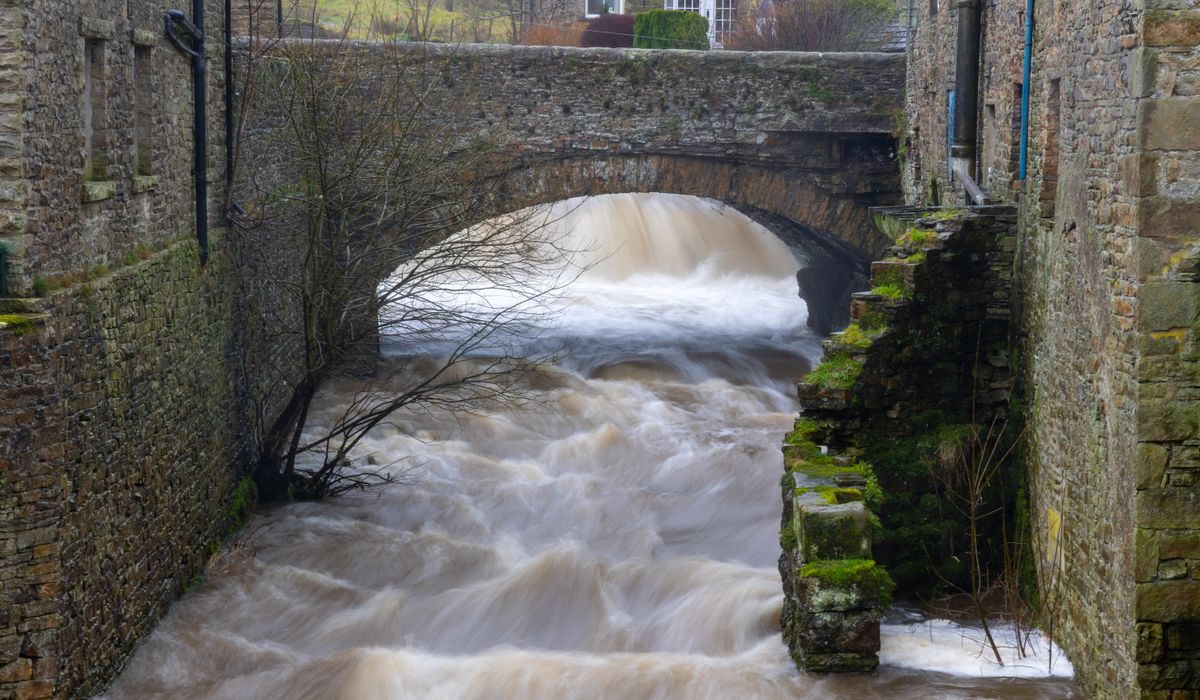
Why the Dales Weather Plays Tricks
A morning in the dales can be perfectly still and blue, with curlews calling over the hay meadows and not a breath of wind in the valley. By early afternoon, a front has rolled in off the Irish Sea, the tops have vanished into grey, and you are pulling a hood up against horizontal rain. This is not bad luck; it is simply how these hills work. The valleys and the ridges sit in different weather, and the distance between them is often less than an hour's walking.
Valley bottoms hold cold, damp air and lose the light early. Exposed limestone tops and gritstone edges catch whatever wind is going. Add a bit of height and the temperature can drop several degrees while the wind chill does the rest. Packing well is not about expecting the worst; it is about being comfortable enough to keep enjoying the day when the weather changes its mind.
Start With the Layers You're Wearing
The clothes on your back matter as much as anything in the bag. A thin synthetic or merino base layer moves sweat away from your skin, a fleece or light insulated mid-layer traps warmth, and a wind-resistant outer layer keeps the chill off when you stop for lunch. Cotton is the one to avoid — once a cotton shirt is damp it stays damp, and it will chill you on a summit break.
Walking trousers that dry quickly beat jeans every time, and a pair of thin liner socks under your walking socks genuinely reduces blisters on a long day out.
Waterproofs: The One Thing You Never Leave Behind
Not showerproof. Not "it'll probably hold off". Proper waterproofs, with taped seams and a hood that stays up in a gust.
- A jacket you can get on without removing your rucksack if needed
- Waterproof trousers you can pull on over your boots without sitting down in the mud
- Both packed where you can reach them in seconds — lid or side pocket, never buried at the bottom
The classic dales mistake is leaving waterproof trousers in the car because the sky looks promising. Ten minutes of driving rain on an exposed ridge in wet trousers is miserable, and it is entirely avoidable.
Water, Food, and the Flask Question
Take more water than you think you need. A litre is a sensible minimum for a half day; two litres for a full day, more in a heatwave. A flask of tea or soup is one of the great small luxuries of a British hill day, and on a cold, wet afternoon it does more for morale than any piece of kit.
Food should be easy to eat with cold hands and no cutlery:
- Flapjack, fruit cake or oatcakes for slow-release energy
- Cheese, nuts or a handful of something salty
- A piece of fruit, and perhaps a boiled sweet for the last climb
- A spare snack you don't touch, kept for the day you need it
Eat before you are hungry and drink before you are thirsty. Both catch up with you on the final descent, when tired legs make everything feel harder.
Small Things That Punch Above Their Weight
None of these weigh much, and each one has rescued somebody's day.
- A fully charged phone, plus a power bank if you are relying on it for navigation or photographs
- A paper map and compass in a clear case, because signal comes and goes between the valley sides
- A head torch, even if you plan to be down well before dusk
- Hat and gloves — yes, in July as well; the tops can be bitter
- Sun cream and sunglasses, because clear days on open moorland burn more than people expect
- Blister plasters, a few painkillers and a small roll of tape
- A sit mat, so you can rest on wet limestone without soaking through
- A dry bag or bin liner to keep spare layers genuinely dry
Telling someone where you are going and when you expect to be back costs nothing and matters enormously.
Packing It So You'll Actually Use It
A 20 to 25 litre rucksack is plenty for a dales day out. Line it with a dry bag or a large bin liner before anything else goes in, then pack the heaviest items — water, flask, spare layers — in the middle, close to your back, so the weight sits on your hips rather than pulling at your shoulders.
Think about the order you will need things. Waterproofs, hat, gloves, snack and map go in the top or in outside pockets, reachable without unpacking. Everything else can live underneath. A cold, wet walker fumbling through a full rucksack in a headwind is a picture worth avoiding.
Check the forecast before you set off, then treat it as a rough guide rather than a promise. In the dales, the honest advice is simple: carry the kit for the worst hour you might meet, and you will enjoy the best ones all the more.


Coding is used in almost all aspects of life and work now, be it directly or indirectly. It’s not just for companies in the tech sector. “An increasing number of businesses rely on computer code,
Coding is used in almost all aspects of life and work now, be it directly or indirectly. It’s not just for companies in the tech sector. “An increasing number of businesses rely on computer code,
Coding is used in almost all aspects of life and work now, be it directly or indirectly. It’s not just for companies in the tech sector. “An increasing number of businesses rely on computer code,